


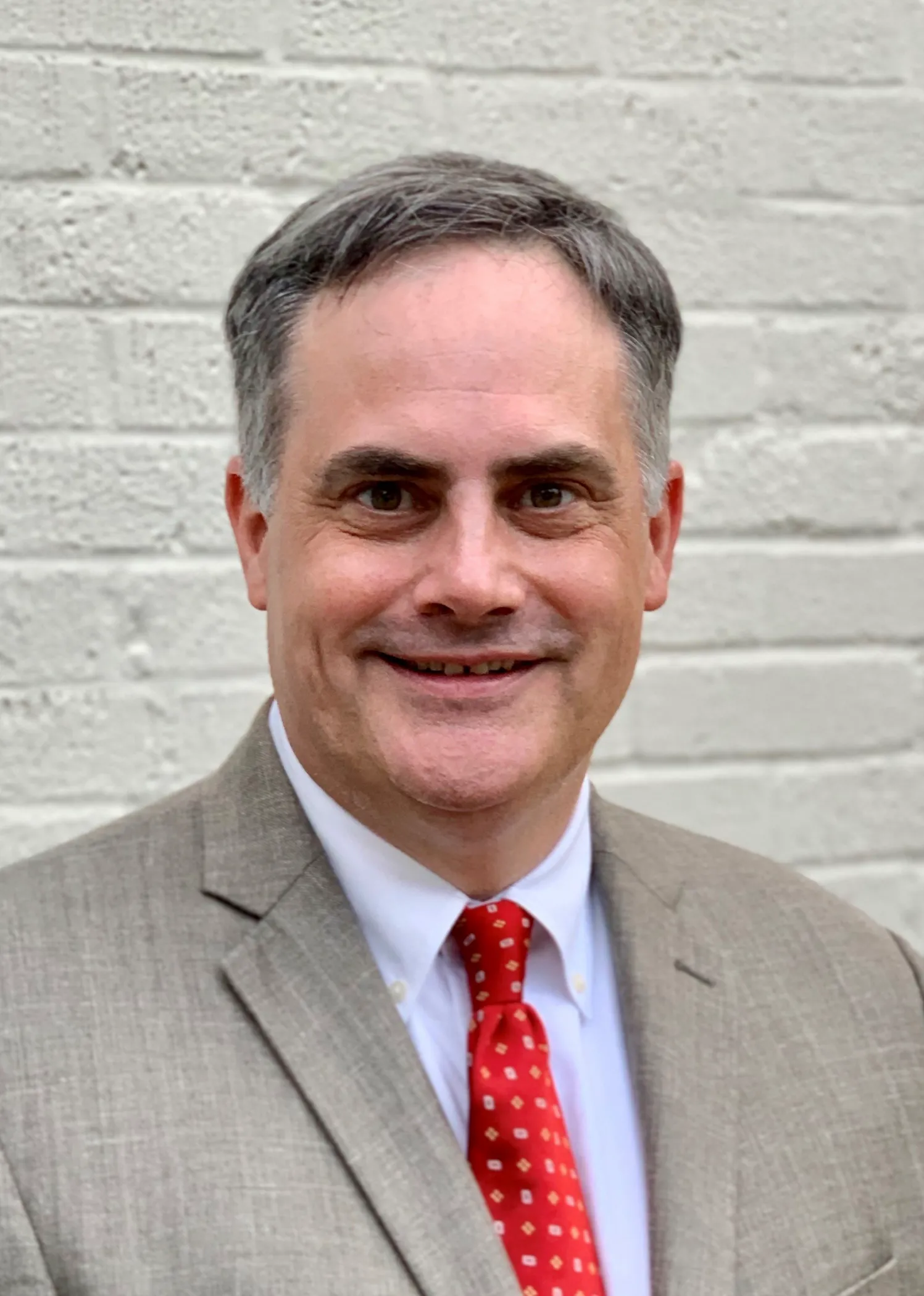

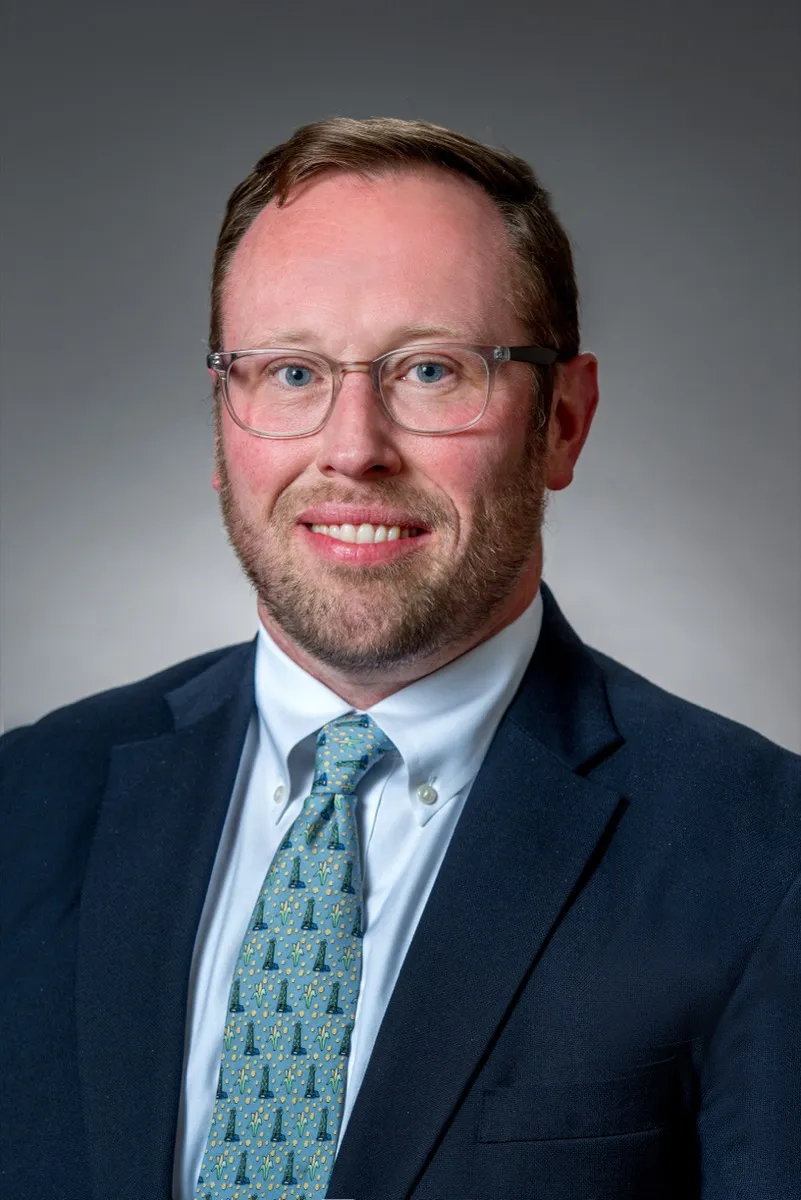
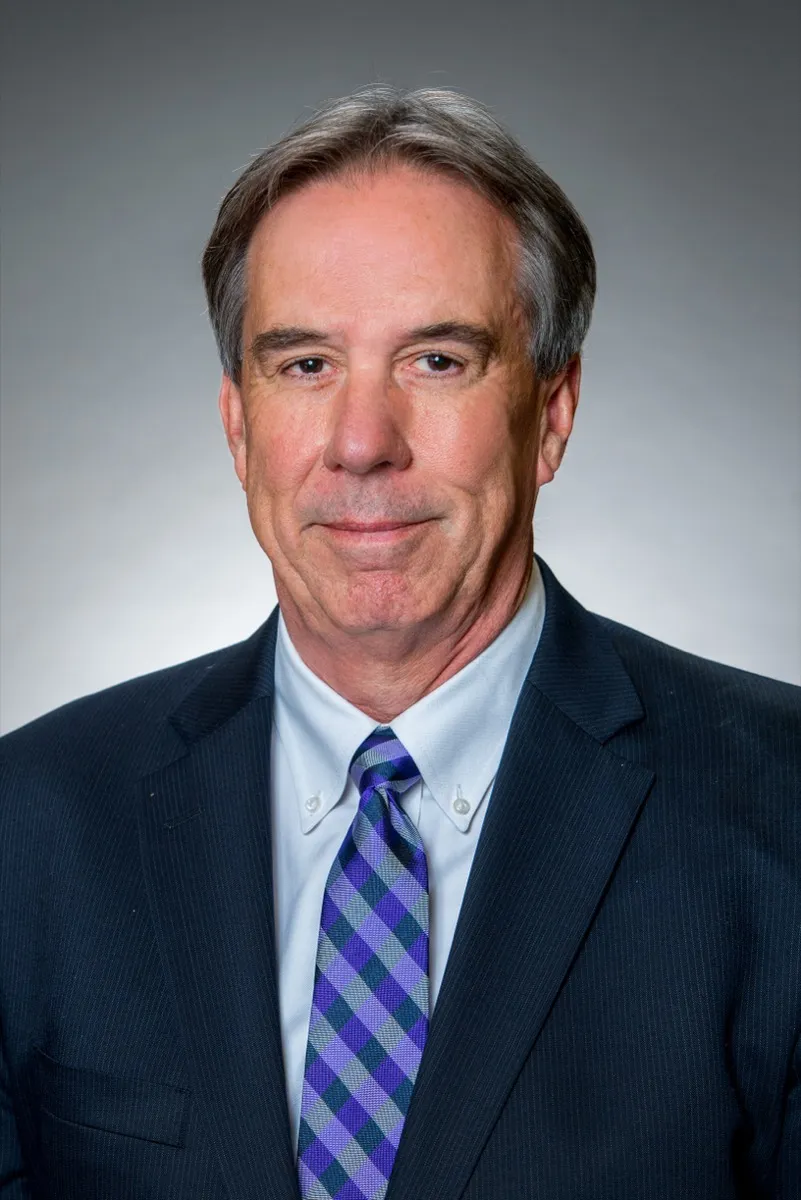

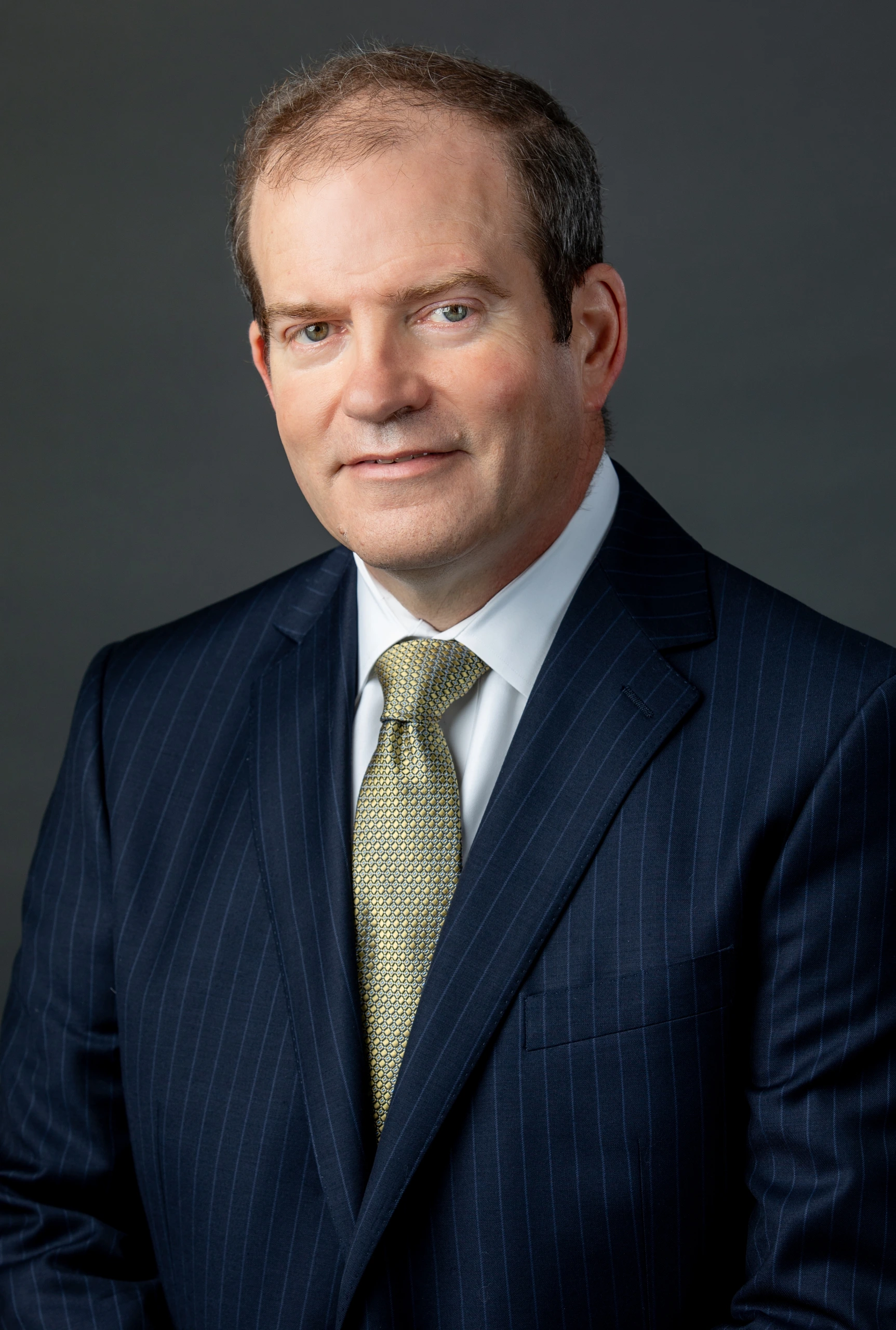
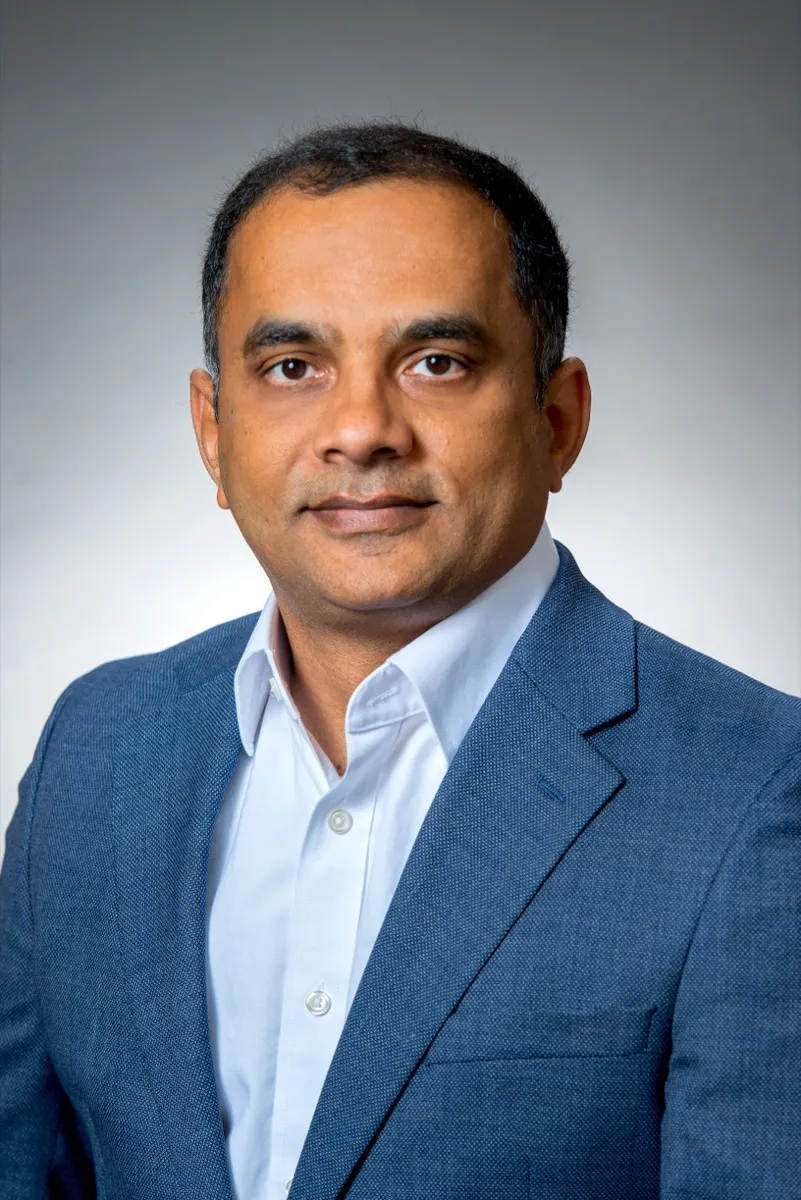
Dr. Flake serves as executive director of the LSU Energy Institute. He is a professor in the Department of Chemical Engineering and associate vice chancellor for research. He received his bachelor's and master's degrees in chemical engineering from Louisiana Tech University and his PhD from the Georgia Institute of Technology. His research focuses on energy storage, electrochemical processes, and materials. Before joining LSU, Flake worked in industrial research labs at IBM and Motorola, where he developed processes for manufacturing electronic devices. He has more than 40 peer-reviewed publications and 12 patents, and he has served as principal investigator or co-PI on grants from the National Science Foundation, Intel Corporation, the Semiconductor Research Corporation and the Department of Energy.
Dr. Greg Upton serves as director of Energy Policy and associate professor of research at the LSU Energy Institute.
Dr. Upton's research interests span energy and environmental economics. He has contributed to over 40 publications and presented research to more than 200 industry, government, and academic audiences, including testifying in committees of both chambers of the Louisiana Legislature and a subcommittee of the U.S. House of Representatives. He is regularly interviewed on live talk radio and other news outlets and has been quoted or cited over 250 times in local and national media including the Wall Street Journal, New York Times, USA Today, and NPR.
Dr. Upton is the president-elect for the United States Association for Energy Economics (USAEE), a member of the University Advisory Board to the Center for Legislative Energy & Environmental Research (CLEER) and an appointee to the National Petroleum Council (NPC). He is a legislatively appointed member of the Clean Hydrogen Task Force created by House Concurrent Resolution 64 of the 2024 Regular Session of the Louisiana Legislature as well as the Task Force on Local Impacts of Carbon Capture and Sequestration created by Senate Resolution 179 of the 2023 Regular Special Session of the Louisiana Legislature. He is part of the Baton Rouge Business Report Forty Under 40 class of 2024 and an LSU alumnus, receiving his Ph.D. in Economics from LSU in 2014.
Tyler Gray currently serves as director of Energy Innovation at the LSU Energy Institute. Prior to this role, he served as secretary of the State of Louisiana's Department of Energy and Natural Resources.
Before that, he held positions as director of corporate and government affairs for Placid Refining Company, LLC and president of the Louisiana Mid-Continent Oil & Gas Association. He also served as an attorney in the Department of Natural Resources, Office of Conservation and for the City of New Orleans.
He graduated with a B.A. in Economics from James Madison University in Virginia, received his J.D. from Loyola University in New Orleans, and M.B.A. with a specialization in economics from Louisiana State University. Mr. Gray is licensed to practice law in Louisiana and currently serves on several public and private boards and commissions.
Chris McLindon serves as director of Energy Education & Outreach at the LSU Energy Institute, a role he held at the Center for Energy Studies before it became part of the Institute. He oversees the development and implementation of educational programs aimed at preparing the next generation of energy leaders. He also engages with key stakeholders, including policymakers, industry professionals, and the general public to promote awareness and understanding of key energy issues.
Mr. McLindon worked for four decades as a geologist in the upstream oil and gas industry and more recently as a geologist in the carbon capture and storage industry. The latter experience included the exploration and development of new sites for CO2 sequestration in Louisiana and Texas, the development of geological models for CO2 injection simulation, and geological site characterization for Class VI permit applications for CCS projects in Louisiana and Texas.
Mr. McLindon holds a B.S. in Geology from LSU. He is a member and past president of the New Orleans Geological Society, and is a member of the Geological Society of America and the Society of Independent Professional Earth Scientists.
Dr. Brian Snyder serves as director of Energy Research, Development & Demonstration (RD&D) and associate professor at the LSU Energy Institute, where he leads efforts to advance high-impact, applied energy research across campus and in collaboration with external partners. The RD&D core provides a coordinated framework for strengthening LSU’s energy research portfolio, with an emphasis on relevance, rigor, and real-world impact.
Dr. Snyder earned his Bachelor of Science degree from the University of Maryland in 2002 and completed his Ph.D. at the University of Georgia in 2013. His research interests include energy systems analysis, climate policy design, carbon dioxide removal pathways, and socio-ecological resilience.
Keith B. Hall holds the Nesser Family Chair in Energy Law at Louisiana State University, where he serves as director of the Mineral Law Institute and as director of the John P. Laborde Energy Law Center. He also holds the Campanile Charities Professorship in Energy Law. He teaches Mineral Rights, International Petroleum Transactions, Civil Law Property, and Energy Law & Regulation.
Professor Hall is the co-author of three books on oil and gas law— (1) The Law of Oil and Gas (a national casebook), (2) International Petroleum Law and Transactions, and (3) Hydraulic Fracturing: A Guide to Environmental and Real Property Issues. He is a co-editor and chapter author of a fourth book on oil and gas law—The Regulation of Decommissioning, Abandonment and Reuse Initiatives in the Oil and Gas Industry, which examines decommissioning regulations around the world. In addition, he is the author of Louisiana Real Property Law and Practice.
Professor Hall’s shorter publications have focused on carbon capture and storage, oil and gas wastewater management, implied covenants in oil and gas leases, joint operating agreements, oil and gas pooling and unitization, induced seismicity, and legal issues relating to hydraulic fracturing. He also has worked on issues relating to the right to extract lithium from produced water or other brine.
In addition to teaching at LSU, Professor Hall has taught energy law classes as a visiting professor at Baku State University in Azerbaijan, as a visiting professor at the University of Pittsburgh, and as an adjunct professor at Loyola School of Law in New Orleans.
Professor Hall serves as editor-in-chief of the Institute for Energy Law’s “Oil & Gas E-Report.” He is active in the Energy & Mineral Law Foundation, the Foundation for Natural Resources and Energy Law (formerly known as the Rocky Mountain Mineral Law Foundation), and the Association of International Energy Negotiators.
Professor Hall has served as an expert for oil and gas disputes arising in Texas, New Mexico, Oklahoma, Louisiana, North Dakota, Pennsylvania, and West Virginia, as well as outside the U.S. He also has served as an arbitrator and drafted amicus briefs.
Before joining the LSU faculty in 2012, Professor Hall practiced law at a major firm in New Orleans for sixteen years, and before that he worked for eight years as a chemical engineer in the petrochemical industry. He graduated from Loyola Law School (New Orleans) in 1996 (J.D.) and from Louisiana State University in 1985 (B.S., Chem. Eng.).
Siddhartha Narra is a research associate who leads the Energy Information & Data core area at the LSU Energy Institute. His work involves developing and maintaining energy databases and applications that provide consistent, transparent, and replicable energy data for Louisiana. His other responsibilities include managing, processing, and analyzing oil and gas activity data for the Gulf of Mexico and the State of Louisiana using quantitative modeling techniques, exploratory and descriptive statistical methods, geographic information systems, and related data systems that inform policymakers, industry, and the public.
Dr. Narra’s research has included modeling service vessel operations in the U.S. Gulf of Mexico, forecasting offshore decommissioning and pipeline activity, and conducting scenario-based analyses of oil and gas field development and economic limits in the Gulf. He has also studied the financial liabilities and environmental implications of unplugged offshore wells and has contributed to Louisiana-focused analysis of orphan and idle wells, including cost estimation and methane emissions assessment. His broader portfolio also encompasses studies of coastal energy infrastructure vulnerability, sea-level rise and inundation risks, and long-term development and decommissioning trends in the Outer Continental Shelf.
Dr. Narra received his M.S. (2002) and Ph.D. (2007) in natural resources and environmental sciences from the University of Illinois at Urbana–Champaign.



